
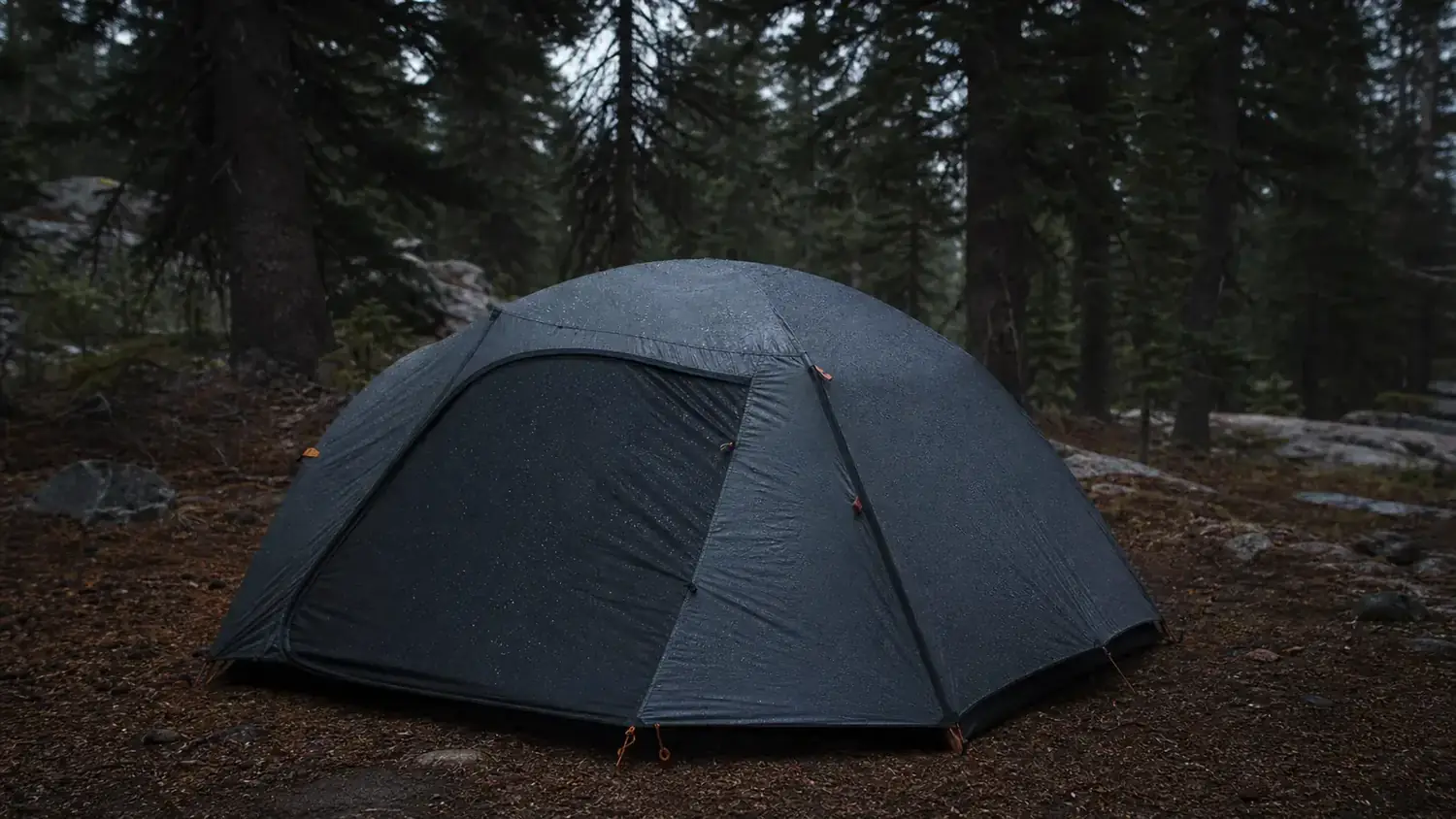
The tent companies know exactly what they're doing when they slap '4-person' on the label and photograph a cheerful group inside a dome tent with room to spare. What they're not showing you is the single door that turns a 2 a.m. bathroom run into a full obstacle course through three other sleeping people, or the condensation layer on the inside of the dark room fly that greets you on any morning with a temperature swing. I bought the Coleman Sundome Dark Room because the blackout claim was legitimate and the price was reasonable. After a full summer including three campouts with rain, two festival weekends, and one windy ridge-top site I should not have tried, I now have a clear and specific picture of where this tent earns its money and where the listing copy parts ways with reality.
This is the review for people who have already read the marketing highlights and want the other half of the story. If you want the full multi-season durability picture, that is covered separately. What I want to give you here are the things that will actually affect your experience on the campsite: the tradeoffs that show up on night two, not just the first setup.
The Quick Verdict
Genuine blackout, fast setup, fair price. The single-door layout is a real inconvenience for groups, condensation in the dark-room fabric layer runs heavier than a standard fly, and the fiberglass poles flex enough in sustained wind to keep you honest about where you pitch. Solid for car camping with two adults. Oversold as a true four-person shelter.
Amazon Check Today's Price →The blackout feature works. Here is what they do not tell you about everything else.
The Coleman Sundome Dark Room blocks 90 percent of sunlight and carries a 4.6-star rating across more than 2,100 reviews. Read the full honest breakdown, then check current pricing and availability on Amazon.
Amazon Check Today's Price on Amazon →The Capacity Problem Nobody Flags in the Ad Copy
Coleman calls this a 4-person tent. In camping industry math, that means four mummy bags touching edge to edge with no gear inside and everyone lying perfectly still. The floor footprint on the Sundome Dark Room 4-person is 9 feet by 7 feet, which is 63 square feet. Divided by four adults, that is about 15.75 square feet per person. To put that in terms you can feel: it is about the size of a standard bathroom vanity. Four real adults with a real weekend's worth of gear will feel every inch of that constraint.
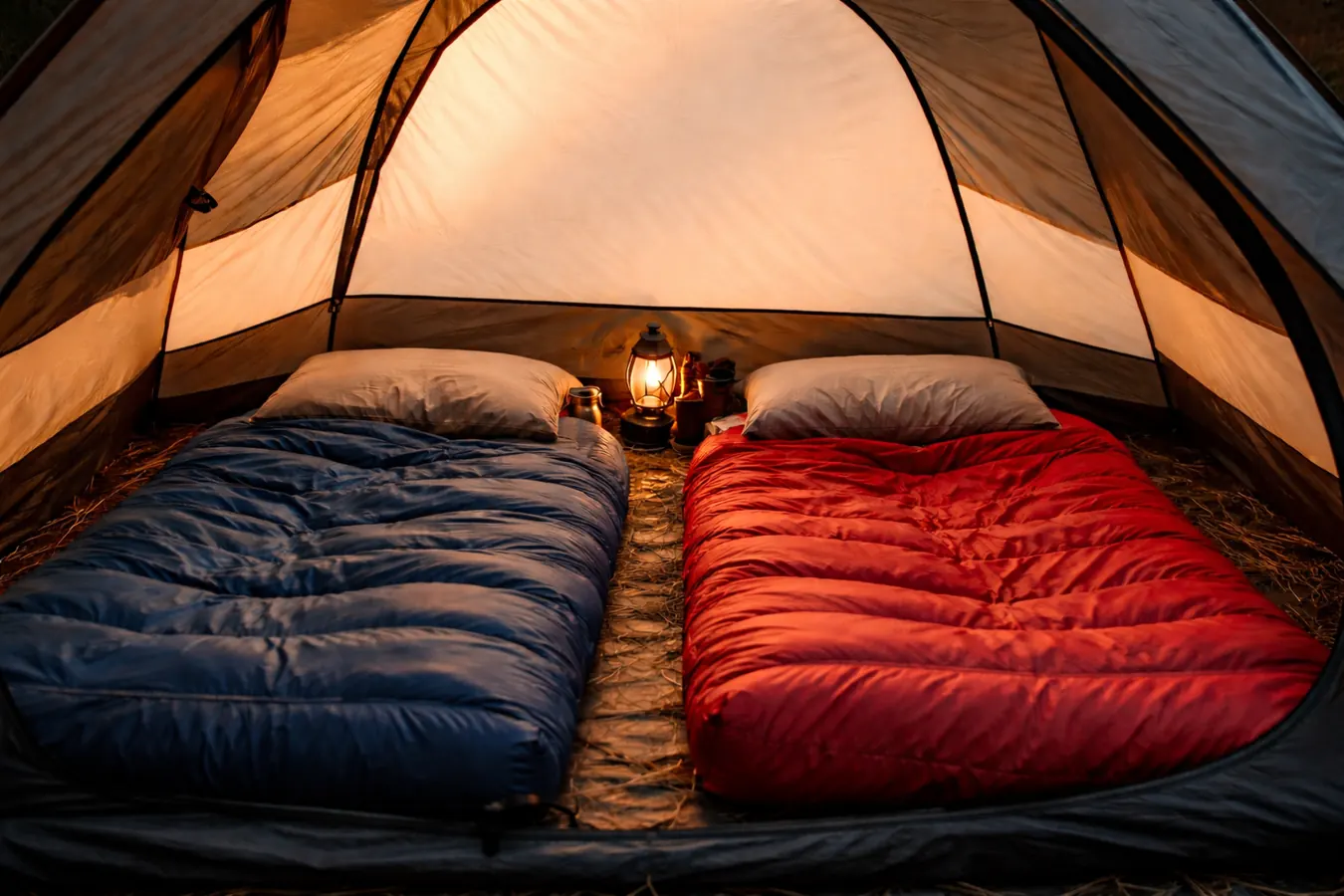
The practical capacity for most people is two adults with gear stored inside, or three adults with everything else in the vestibule or in the car. I've slept three adults in this tent exactly once. We made it work, but nobody was spreading out, and the person sleeping near the wall brushed condensation off the fly fabric every time they rolled over. For a couple doing weekend trips, the 4-person label is actually good news: you get more floor room per person than a 2-person tent at the same price and weight. For an actual family of four or a group of friends who want honest sleeping space, you either need the 6-person version or a different tent.
Coleman calls it a 4-person tent. In camping industry math, that means three adults and no gear, or two adults who want to stay on speaking terms by morning.
The Single Door: A Real Inconvenience You Will Feel Nightly
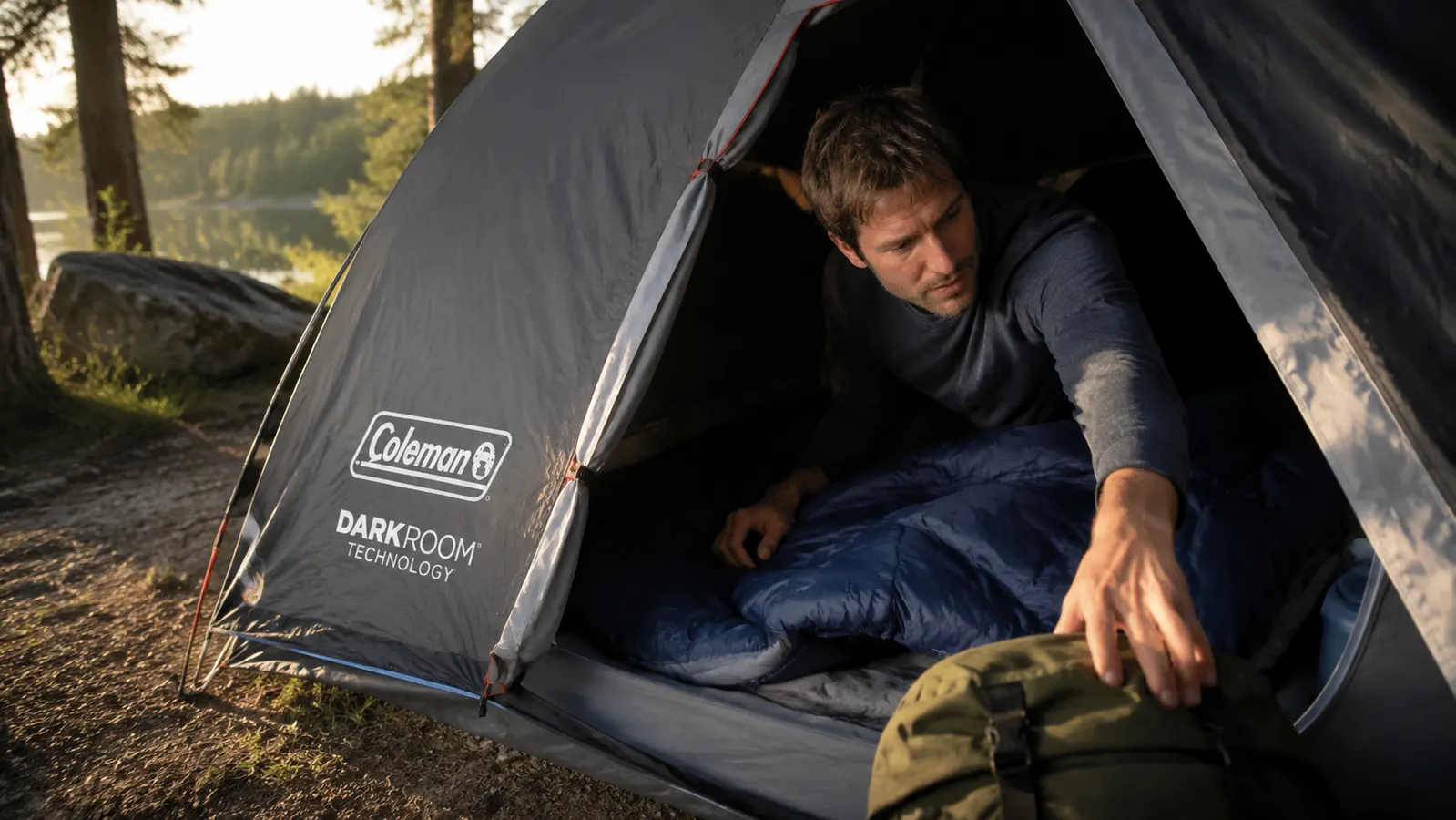
The Sundome Dark Room has one door. One large D-shaped zipper entry, positioned on the front face. This is standard for tents at this price point, and for two people it is mostly fine. For any group larger than two, it becomes a genuine quality-of-life issue by night two. The person sleeping farthest from the door has to either climb over or press past the person nearest to it every single time they go in or out. In the middle of the night, this means waking someone up. Every time.
I tested this across two festival weekends with groups of three, and the door situation created real friction. Someone always needs water at 1 a.m. Someone always has to use the facilities at 3 a.m. By the second morning, the person sleeping closest to the door was already awake before the sun because they had been the doormat for everyone else's movements all night. A two-door tent design solves this completely. The Sundome does not have one, and no amount of gear reorganization changes that. If you are consistently camping with three or four people in this tent, I'd push you to look at how the Sundome compares head-to-head with the CORE 4-person tent, which offers a different configuration at a comparable price.
Condensation in the Dark Room Fabric: The Trade Coleman Does Not Advertise
The dark room coating works by blocking light transmission through the fly fabric. The trade-off is reduced breathability. Air that condenses on the inside surface of the fly has a harder time escaping through the coating layer, so it accumulates. On mild, dry nights this is not noticeable. On mornings with a temperature drop of more than 15 degrees from overnight lows, or in any humid environment, you will find the inside surface of the dark-room fly damp. Not soaked, but wet enough that anything pushed against the fly wall overnight picks it up.
The inner tent mesh helps, and the top fly vent does move some air, but this is a single-wall dark room fly over a mesh inner canopy, not a double-wall tent with a separated condensation layer. On three of my rainstorm weekends, the inner tent walls were noticeably damp by morning even though no rain had leaked through the fly seams. That is all condensation, not a waterproofing failure. The fix is keeping the fly staked out tight, cracking the door vent, and not touching the inner mesh walls with sleeping bags. That works. But it is a management task that a standard fly tent does not require at the same level.

Fiberglass Poles in Wind: Where the Compromise Shows Up
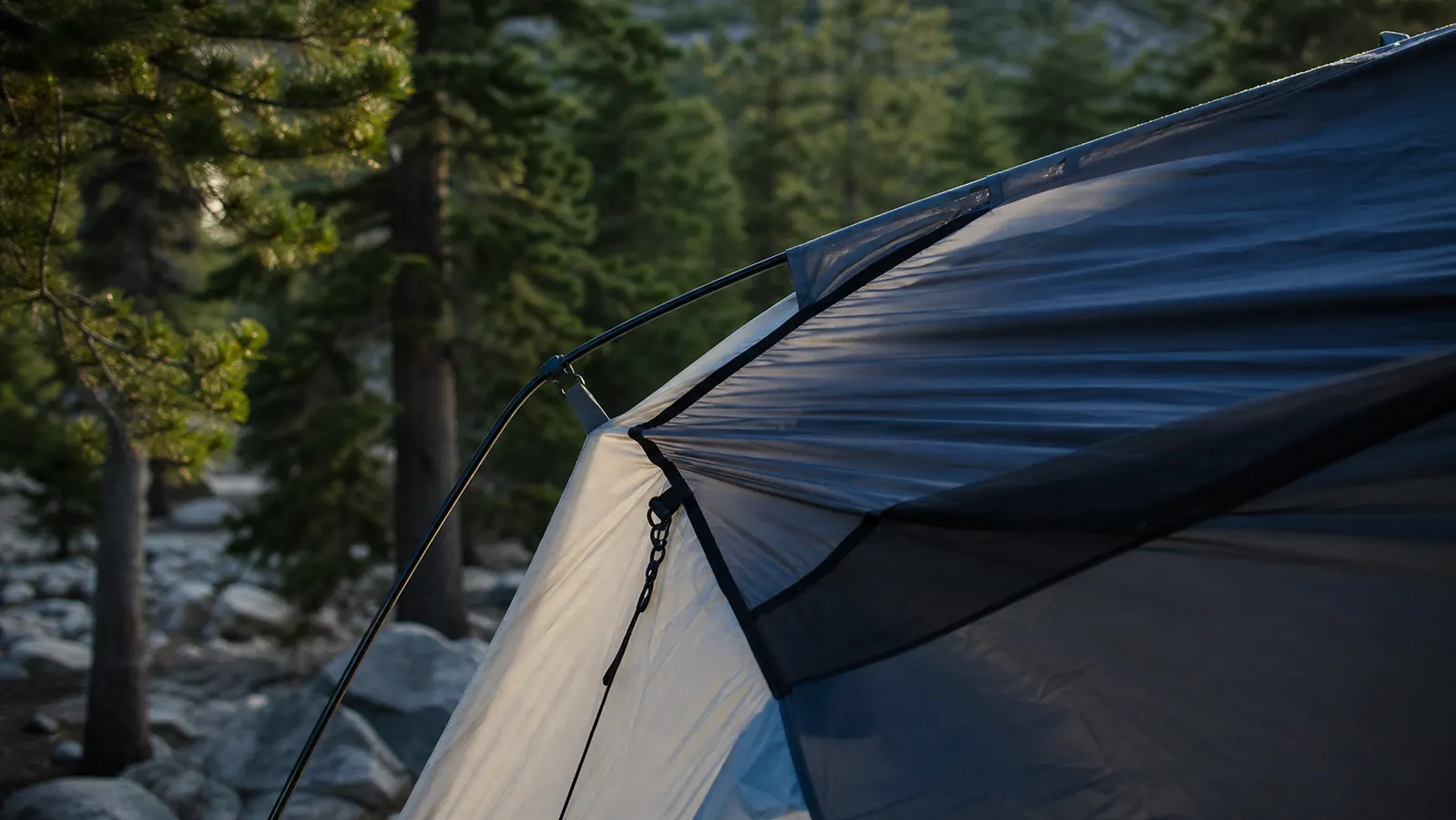
The Sundome uses fiberglass poles. This is the right decision at this price: aluminum poles would push the cost up without delivering much extra value for the typical car camping use case. But fiberglass poles flex, and in sustained wind above about 20 mph, you will see and feel that flex. The dome shape distributes wind load well, which is the main reason the design has been around for decades. But on the windy ridge-top site I mentioned, with gusts running 25 to 30 mph, the pole arches deflected enough that the fly was visibly pressing inward on the windward side. Nothing failed. But the tent was working.
Fiberglass also carries a higher risk than aluminum of splintering or snapping under torque in very cold conditions. I have not had a pole failure on this tent, but I have had fiberglass failures on similar tents in temperatures below 25 degrees. If your camping calendar runs into late fall or early spring at elevation, that is a real factor to consider. For summer car camping at standard campgrounds with tree cover and reasonable wind protection, fiberglass poles are fine. For open exposed sites in variable weather, you are accepting a tradeoff. The Sundome is honest about being a three-season car camping tent, and the poles are part of that positioning.
Rainfly Coverage: Better Than Entry-Level, Not as Good as You Might Assume
The Sundome fly covers the top and most of the upper sides of the tent. What it does not do is extend all the way to the ground with a full-wrap drape. There is a gap between the bottom edge of the fly and the tent floor, and on a windy, rainy night, that gap is where horizontal rain finds its way in. This is not unique to the Sundome; most tents in this category use a partial fly. But the gap is meaningful enough that I want to flag it directly.
In a calm, vertical rainstorm, the fly performs well. In any rain combined with lateral wind, the exposed lower walls of the inner canopy get wet. The inner canopy is mesh, so water that hits the mesh does not pool, but it does enter the sleeping area enough that anything pushed against the inner wall will get damp. Proper pitching helps: stake the fly corners out fully to create maximum standoff between the fly hem and the inner tent. That reduces the gap and improves protection. But if you are comparing this tent to a full-wrap fly option, the Sundome's coverage is not equivalent, and the reason your tent choice shapes the whole camping trip comes down to exactly these details in bad weather.
What the Dark Room Coating Actually Delivers: the Honest Version
With the criticisms on the table, here is what the tent genuinely gets right. The dark room feature is real. On a sunny June morning in central Oregon, the interior of this tent at 6:30 a.m. was dark enough that I could not see my hand in front of my face without a headlamp. That is the best you will get from any tent in this price range. Competing tents in the same category, including options I have camped in within the same trip, were fully lit by 5:45 a.m. The difference in sleep quality is not marginal. The extra hour to 90 minutes of dark is worth the purchase price on its own if early-morning sun is the thing wrecking your camping sleep.
Setup is also genuinely fast once you have done it twice. Color-coded, shock-corded poles clip into the canopy without threading through sleeves, and the freestanding structure goes up before you stake anything. The first time takes about 20 minutes. By the second or third trip, most people are down to 12 to 14 minutes including stakes and fly, which is competitive for a tent this size. The clip-attachment system is meaningfully better than older sleeve-pole designs for speed and for pole care.
The Vestibule: Small But There
The Sundome provides a small vestibule space under the fly overhang in front of the door. It is not large enough to store a full pack and cooking gear, but it handles shoes, a water filter, and a small dry bag without issue. Tents at double this price offer larger vestibule coverage. At the Sundome's price, the vestibule is functional rather than generous. If you leave boots outside the vestibule in a rainstorm, they get wet. If you leave them inside the vestibule, they stay dry. That is the extent of what the space offers, and adjusting your expectations to match that keeps the tradeoff from becoming a frustration.
What I Liked
- Dark room blocking is genuinely effective: 90 percent light reduction holds up in real conditions with fly properly tensioned
- Setup speed is competitive: 12 to 14 minutes once familiar with the clip-pole system
- Freestanding design allows repositioning before staking, which matters on tight campsites
- Practical two-person car camping space with room to live in, not just sleep in
- Price-to-blackout-performance ratio is difficult to match at this category level
- Gear loft and E-port for power cables are practical additions that earn their keep
Where It Falls Short
- True sleeping capacity is two adults with gear or three adults in sleeping bags only, not four
- Single door is a real daily frustration for groups of three or more people
- Dark-room fly coating increases condensation buildup on interior surfaces in high-humidity or high-temperature-swing conditions
- Rainfly does not extend to ground level, leaving the lower inner canopy walls exposed in wind-driven rain
- Fiberglass poles flex noticeably at wind speeds above 20 mph and carry splinter risk in cold weather
- No footprint included; the bathtub floor benefits from one on rocky or wet ground
Who This Is For
This tent is the right call for couples and solo campers using a larger tent, car campers who want to sleep past sunrise and are willing to manage condensation as part of the routine, festival goers who need fast setup and a dark interior for afternoon downtime, and anyone who has been waking up at 5:30 a.m. to a fully lit tent and blaming it on a bad sleep setup. If two adults are the primary users, the single door is not a dealbreaker. If the dark room feature is the main thing you are after, this tent delivers it cleanly at a price that makes sense.
Who Should Skip It
Skip this tent if you regularly camp on exposed, open sites with sustained wind above 20 mph. Skip it if you are genuinely camping with four adults who each want meaningful floor space and the ability to get in and out of the tent without waking everyone else up. Skip it if you camp in hot, humid climates where the dark-room fly's reduced breathability will create more condensation management than you want to deal with on every morning. And skip it if you need a full-wrap fly for serious horizontal rain protection. The Sundome is an honest three-season car camping tent with a specific standout feature. When the job matches those boundaries, it is a strong buy. When the job pushes past them, you are better served by a tent built for the harder conditions.
If you are car camping with two adults and want to sleep past 6 a.m., this tent delivers. Check today's price.
The Coleman Sundome Dark Room is listed on Amazon with over 2,100 verified reviews and a 4.6-star average. The blackout works, the setup is fast, and the price is fair for what it does well. Check current pricing and availability before your next trip.
Amazon Check Today's Price on Amazon →